Blog

  • Dr. Haider Rizwan – Professional Profile, Dental Services and Patient Care

    Dr. Haider Rizwan – Professional Profile, Dental Services and Patient Care

    Dr. Haider Rizwan is a dentist in Islamabad who sees patients at Olympus Dental & Aesthetics in G-8 Markaz. He provides dental care for infants, children, teenagers and adults, with a special focus on children’s dentistry, clinic-based deep sedation, special needs dentistry and gentle care for people who feel anxious about the dentist.

    This profile brings together his qualifications, the services he offers and how he cares for patients. For his personal story, see the About Dr. Haider page.

    At a glance

    • Name: Dr. Haider Rizwan
    • Degree: BDS, University of Health Sciences, Lahore
    • Registration: Pakistan Medical & Dental Council (PMDC)
    • Further training: Certificate in Restorative & Endodontics
    • Clinic: Olympus Dental & Aesthetics, Office 7, 1st Floor, Block 18-A, Awan Plaza, G-8 Markaz, Islamabad
    • Opening hours: Every day, 9am to 9pm (Friday break 12:30pm to 2:30pm)
    • Phone and WhatsApp: +92 339 4046660

    Dental services

    Approach to patient care

    Dr. Haider believes dentistry should never be associated with fear. His approach goes beyond treating teeth: building trust, removing dental fear, preventing problems early and forming lasting relationships with patients and their families.

    In practice, that means listening before examining, explaining every option and its cost, working at the patient’s pace and choosing the least invasive treatment that will work. Children are introduced to the clinic gently, and anxious adults are never rushed.

    Safety and sedation

    For children who cannot manage regular treatment, Dr. Haider provides different levels of sedation, including deep sedation, together with a specialist anesthetist experienced in dental sedation. Every child has a pre-sedation assessment, an individual anesthetic plan, continuous monitoring throughout treatment and supervised recovery. Read more in our parent’s guide to sedation.

    What patients say

    Dr. Haider’s clinic is rated 5.0 on Google from 56 reviews. Patients often mention how painless their treatment was and how carefully he explained the problem. One patient wrote: “I had an almost painless root canal.” You can read more reviews on the homepage.

    Visiting the clinic

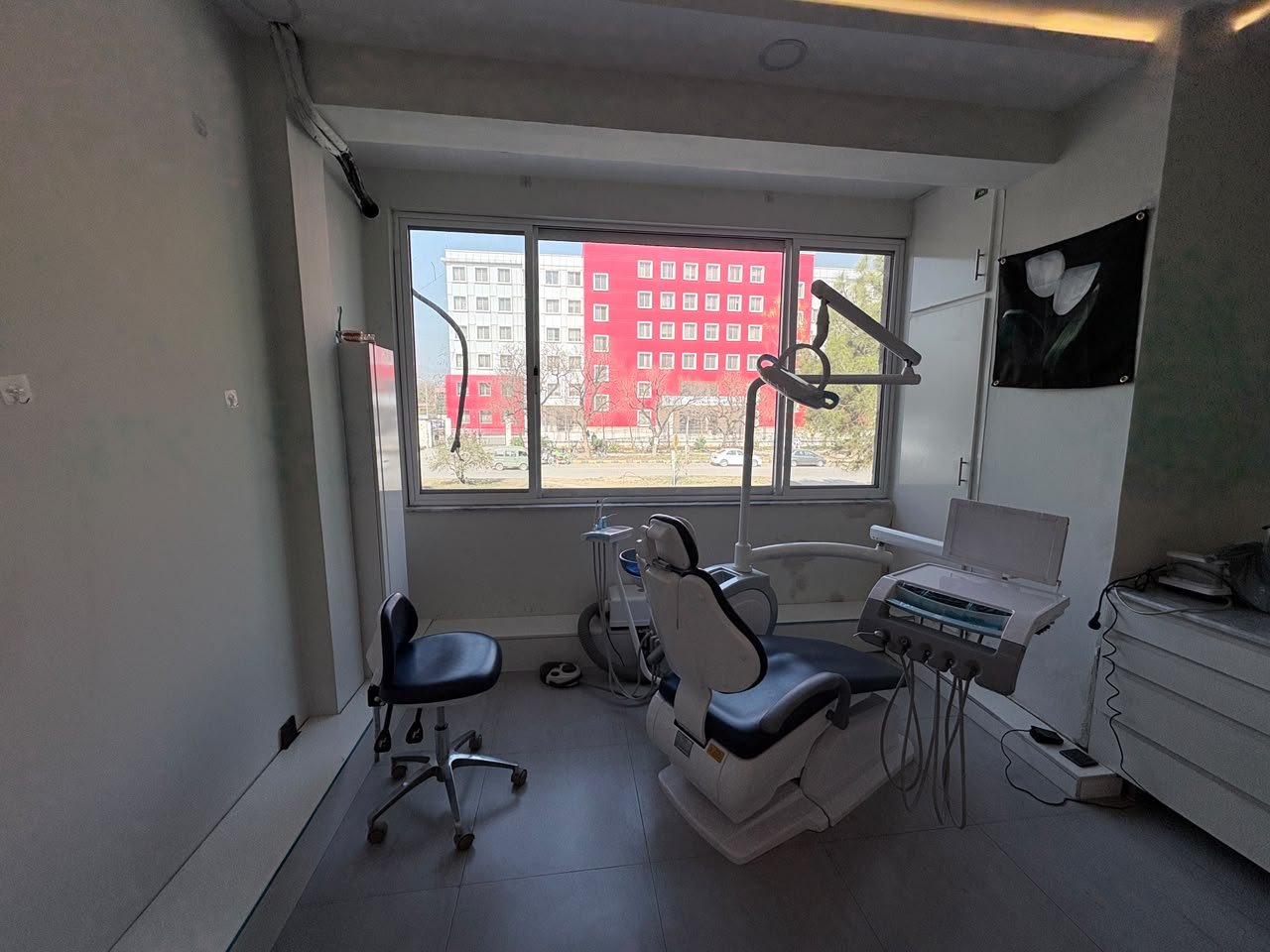
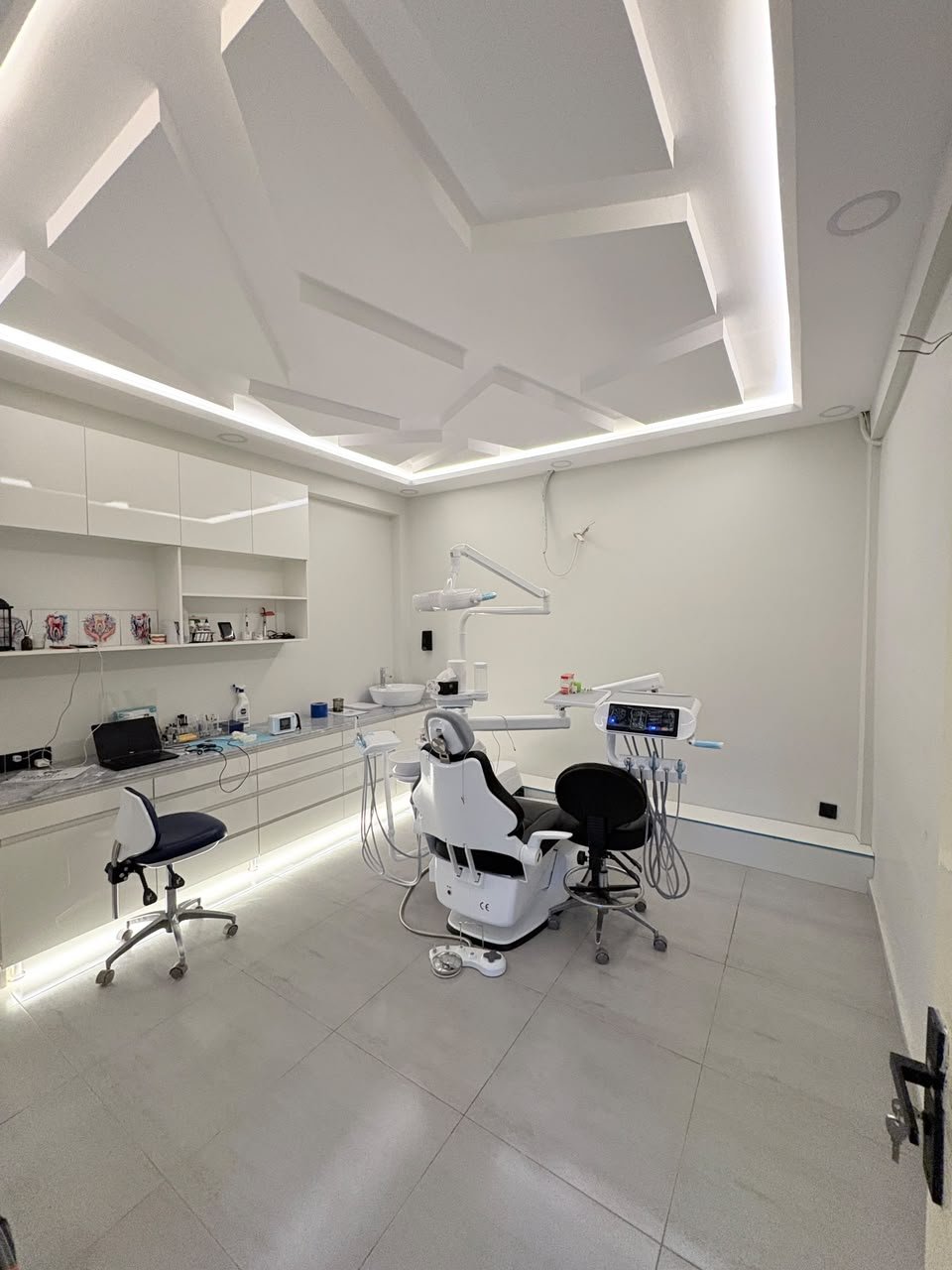
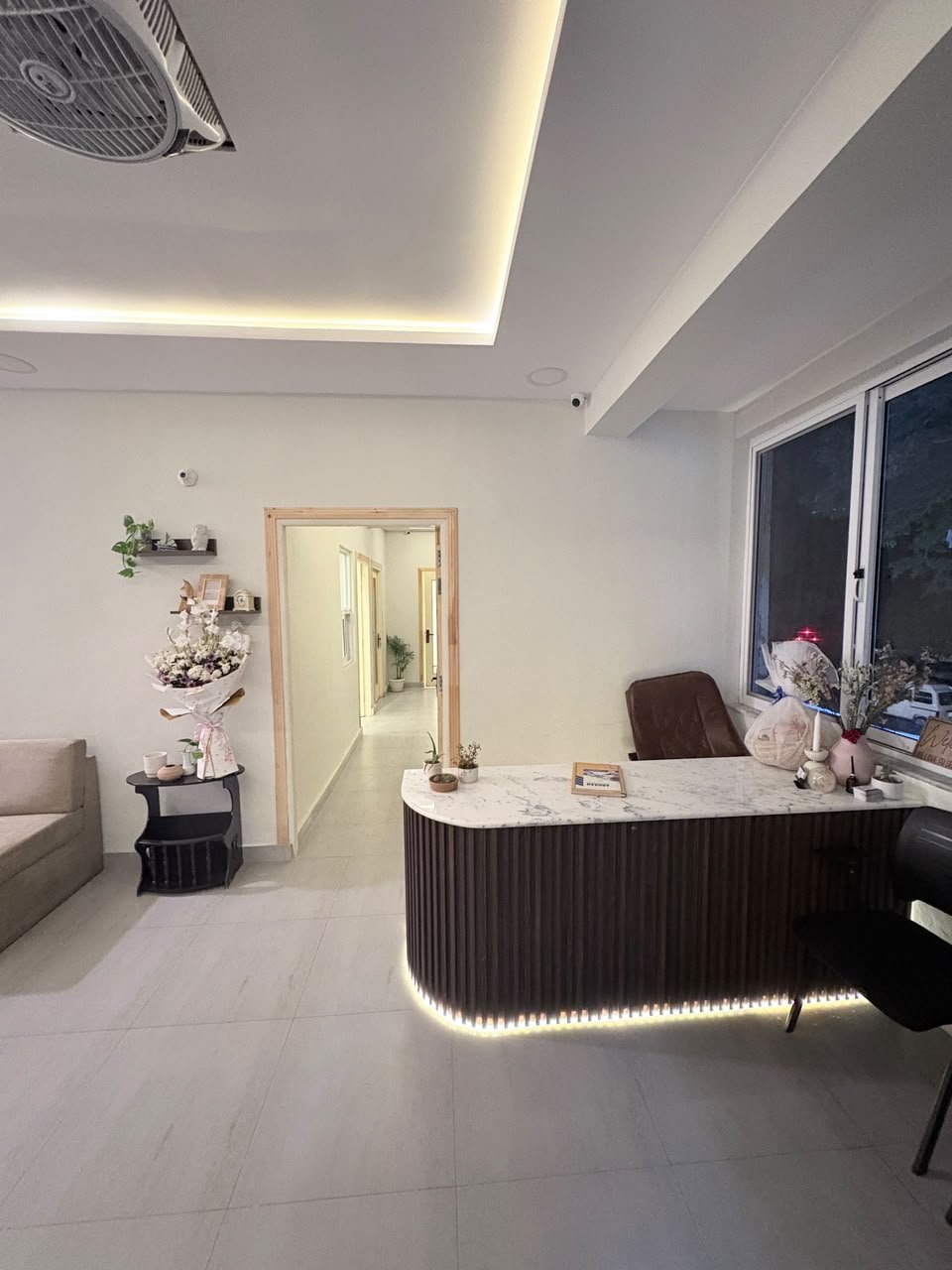
    The clinic is in Awan Plaza, G-8 Markaz, and is designed to feel calm and welcoming for children and nervous adults alike. You can see the reception and treatment rooms in our clinic photos. If you are still comparing dentists, our guide on how to choose the best dentist in Islamabad lists what to check before you book.

    Book a visit

    Call or WhatsApp +92 339 4046660, or use the appointment form and we will confirm a time with you. The clinic is open every day from 9am to 9pm, with a Friday break from 12:30pm to 2:30pm.

    Related guides

    Ready to visit? Book an appointment with Dr. Haider Rizwan at Olympus Dental & Aesthetics, G-8 Markaz, Islamabad.
  • Best Cosmetic Dentist in Islamabad – Complete Guide to Smile Makeovers

    Best Cosmetic Dentist in Islamabad – Complete Guide to Smile Makeovers

    By Dr. Haider Rizwan, BDS (University of Health Sciences, Lahore), dentist at Olympus Dental & Aesthetics, G-8 Markaz, Islamabad.

    Looking for the best cosmetic dentist in Islamabad? A smile makeover can change how you feel every time you speak, laugh or have your photo taken. But cosmetic dentistry is still dentistry. The best results come from a dentist who protects your natural teeth, plans carefully and is honest about what each treatment can and cannot do.

    This guide explains the most common cosmetic treatments, how a smile makeover is planned, and what to check before you choose a cosmetic dentist. For a general checklist, see how to choose the best dentist in Islamabad.

    What is a smile makeover?

    A smile makeover is a treatment plan that improves the look of your smile using one or more cosmetic and restorative treatments. It might be as simple as whitening, or it might combine several treatments to change the colour, shape, size and alignment of your teeth. Every plan should start from your own goals and the health of your teeth and gums.

    Common cosmetic treatments

    • Teeth whitening. Lightens natural teeth that are stained or yellowed. Professional whitening is safer and more predictable than shop-bought kits. It does not change the colour of existing fillings or crowns.
    • Composite bonding. Tooth-coloured material is shaped onto the tooth to repair chips, close small gaps or improve the shape of a tooth. It usually needs little or no drilling.
    • Veneers. Thin shells bonded to the front of the teeth to change their colour and shape. They can give a dramatic result, but they usually involve removing some enamel, so they should be planned carefully.
    • Tooth-coloured fillings. Replace dark metal fillings with natural-looking material.
    • Crowns. Cover and protect a tooth that is heavily filled, cracked or root-treated, while improving how it looks.
    • Reshaping and contouring. Small adjustments to uneven edges can make a smile look more balanced.

    Health comes before cosmetics

    A beautiful smile has to be a healthy one. Before any cosmetic work, a good dentist checks for decay, gum disease, worn teeth and bite problems, and treats them first. Whitening or veneers placed over untreated problems can fail early or hide issues that get worse.

    Dr. Haider holds a Certificate in Restorative & Endodontics, with further clinical training in saving natural teeth. That training shapes his approach: keep as much natural tooth as possible, and choose the least invasive treatment that gives you the result you want.

    How to choose a cosmetic dentist

    • Registration and training. Check that the dentist is registered with the Pakistan Medical and Dental Council, and ask about further training in restorative or cosmetic work.
    • A conservative approach. Be cautious if a dentist recommends a full set of veneers without first discussing whitening or bonding.
    • Careful planning. A good dentist talks through shade, shape and proportions, and explains how the result will look and how long it should last.
    • Honest expectations. Every treatment has limits. You should hear about the downsides as well as the benefits.
    • Clear prices. Ask for a written plan with the cost of each step before you start.
    • Hygiene and sterilisation. The clinic should be clean, and instruments should be sterilised between every patient.
    • Aftercare. Ask how to look after your new smile and what happens if a restoration chips or stains.

    What happens at a smile makeover consultation

    At your first visit, the dentist listens to what you would like to change and examines your teeth, gums and bite. X-rays or photos may be taken. You will then discuss the options, how many visits each one needs, and the cost. You do not have to decide on the day.

    Nervous about cosmetic treatment?

    Many adults put off improving their smile because they are afraid of the dentist. Dr. Haider welcomes patients who are anxious and never rushes treatment. Every step is explained before it happens, and you can stop at any time. Read more about gentle care for anxious patients or our guide on how to overcome dental anxiety.

    Smile makeovers with Dr. Haider Rizwan

    Dr. Haider Rizwan offers cosmetic treatment at Olympus Dental & Aesthetics in G-8 Markaz, Islamabad, alongside his work with children and anxious patients. Every smile makeover starts with a full check-up and a plan built around your goals. You can read about his qualifications and services in his professional profile, and if your children need care too, see our guide to choosing the best pediatric dentist in Islamabad.

    Questions to ask at your consultation

    • Which treatment would you recommend for me, and why?
    • How much natural tooth will be removed, if any?
    • How long will the result last, and what maintenance does it need?
    • What will each step cost?
    • Can I see the shade and shape planned before treatment starts?

    Book a visit

    Call or WhatsApp +92 339 4046660, or use the appointment form and we will confirm a time with you. The clinic is open every day from 9am to 9pm, with a Friday break from 12:30pm to 2:30pm.

    Related guides

    Ready to visit? Book an appointment with Dr. Haider Rizwan at Olympus Dental & Aesthetics, G-8 Markaz, Islamabad.

  • Best Pediatric Dentist in Islamabad – Why Parents Should Choose the Right Dentist

    Best Pediatric Dentist in Islamabad – Why Parents Should Choose the Right Dentist

    By Dr. Haider Rizwan, BDS (University of Health Sciences, Lahore), dentist at Olympus Dental & Aesthetics, G-8 Markaz, Islamabad.

    Searching for the best pediatric dentist in Islamabad is about more than finding the nearest clinic. A child’s first experiences at the dentist often shape how they feel about dental care for the rest of their life. A gentle, patient dentist can turn check-ups into something children look forward to. A rushed or frightening visit can leave a fear that lasts into adulthood.

    This guide explains what makes a good children’s dentist, what to look for before you book, and how Dr. Haider Rizwan cares for children at his clinic in G-8 Markaz. For a wider checklist that applies to every patient, see our guide on how to choose the best dentist in Islamabad.

    Why the right dentist matters for children

    Milk teeth are small, but they matter. They help children chew, speak clearly and hold space for adult teeth. Decay in milk teeth can cause pain, infection, missed school and problems with the adult teeth underneath. You can read more in do baby teeth need fillings?

    Children also need a different approach from adults. They need time, simple explanations and a dentist who can tell the difference between a child who is scared and a child who is in pain. The right dentist builds trust first and treats second.

    What to look for in a pediatric dentist

    • Experience with children every day. Ask how much of the dentist’s practice is children’s dentistry, and whether they treat toddlers as well as older children.
    • A focus on prevention. A good children’s dentist spends time on brushing, diet and fluoride varnish or sealants, so problems are stopped early.
    • Gentle behaviour guidance. Techniques such as “tell, show, do”, praise and short, calm visits help children feel in control.
    • Treatments made for milk teeth. Look for experience with pulp therapy for milk teeth and stainless steel crowns, not just adult techniques scaled down.
    • Safe sedation options. Some children cannot manage treatment while awake. Ask whether sedation is available and who gives it. Deep sedation should always involve a specialist anesthetist and continuous monitoring.
    • Experience with special needs. If your child has autism, a developmental condition or sensory sensitivities, ask how the dentist adapts care.
    • Clear explanations for parents. You should leave every visit knowing what was found, what the options are and what each one costs.
    • PMDC registration. Every dentist practising in Pakistan must be registered with the Pakistan Medical and Dental Council.

    When should your child first see a dentist?

    The first visit should happen when the first tooth appears, or by your child’s first birthday at the latest. Early visits are short and relaxed. They let the dentist check for early decay and give you advice on brushing, feeding and teething. Read more in when should your child first visit a dentist?

    Signs your child needs a dentist soon

    How Dr. Haider cares for children

    Dr. Haider Rizwan cares for infants, children and teenagers at Olympus Dental & Aesthetics in G-8 Markaz. His everyday practice focuses on children’s dentistry, clinic-based deep sedation with a specialist anesthetist, and special needs dentistry.

    He works at the child’s pace. First visits are often just about getting to know the clinic. When treatment is needed, he explains it to the child in simple words and to parents in full detail. For children who cannot manage treatment while awake, complete treatment can be done in one calm visit under deep sedation, in a familiar clinic instead of a hospital. You can learn more in our parent’s guide to sedation or read his full professional profile.

    Questions to ask before you book

    • How many children do you treat each week?
    • How will you help my child feel comfortable?
    • What preventive care do you recommend for my child’s age?
    • If my child needs sedation, who gives it and how is my child monitored?
    • Can I stay with my child during the visit?

    Book a visit

    Call or WhatsApp +92 339 4046660, or use the appointment form and we will confirm a time with you. The clinic is open every day from 9am to 9pm, with a Friday break from 12:30pm to 2:30pm.

    Related guides

    Ready to visit? Book an appointment with Dr. Haider Rizwan at Olympus Dental & Aesthetics, G-8 Markaz, Islamabad.

  • Toothache in Children: What to Do at Home and When to See a Dentist

    Toothache in Children: What to Do at Home and When to See a Dentist

    By Dr. Haider Rizwan, BDS (University of Health Sciences, Lahore), dentist at Olympus Dental & Aesthetics, G-8 Markaz, Islamabad.

    Toothache in a child often starts in the evening or wakes them at night, which is stressful for everyone. Here is what you can safely do at home, and when to get help quickly.

    Common causes

    • Tooth decay, the most common cause, especially in the back teeth.
    • Food stuck between the teeth or in the gum.
    • A loose milk tooth or a new adult tooth coming through.
    • A dental injury, such as a knock to the mouth.
    • An infection (abscess) around a decayed tooth.

    What you can do at home

    1. Look and floss. Gently brush and floss around the sore tooth; trapped food is a common cause.
    2. Rinse with warm water. Older children who can spit can rinse with warm salt water.
    3. A cold compress on the outside of the cheek for 10 to 15 minutes can ease pain and swelling.
    4. Pain relief: ask your pharmacist or doctor which children’s pain reliever suits your child, and give it exactly as the label says for their age and weight.
    5. Soft, lukewarm food and avoid very hot, cold or sweet things.
    6. Raise their head with an extra pillow at night, which can reduce throbbing.

    What not to do

    • Never put aspirin or any tablet directly on the gum or tooth; it can burn the gum. Aspirin is also not suitable for children.
    • Don’t use clove oil, kerosene, garlic or other home remedies on the tooth.
    • Don’t rely on pain relief to hide the problem. Toothache from decay will come back until the tooth is treated.

    Get urgent help if your child has:

    • Swelling of the face, cheek, jaw or under the eye.
    • Fever with toothache.
    • Difficulty opening the mouth, swallowing or breathing.
    • A bad taste or pus coming from the gum.
    • Pain after a knock to the mouth.

    Facial swelling with fever, or any difficulty breathing or swallowing, needs same-day care. Go to a hospital emergency department if you cannot reach a dentist.

    What the dentist will do

    The dentist will find the cause, often with a small X-ray, and explain the options. Depending on the tooth, treatment may be a filling, a pulpotomy with a crown, or removing the tooth. If there is infection, the dentist may advise antibiotics alongside treatment.

    If your child is very frightened, or needs several teeth treated, treatment under deep sedation can allow everything to be done calmly in one visit.

    Children’s dentistry with Dr. Haider in Islamabad

    If your child has toothache, call or WhatsApp +92 339 4046660 or book online. Dr. Haider Rizwan sees children at Olympus Dental & Aesthetics, G-8 Markaz, Islamabad. Read more about children’s dentistry.

    Frequently asked questions

    What can I do for my child’s toothache at night?

    Gently brush and floss around the tooth, use a cold compress on the cheek, give a children’s pain reliever exactly as the label says, and see a dentist the next day.

    When is a child’s toothache an emergency?

    Facial swelling, fever, difficulty opening the mouth, swallowing or breathing, or pain after an injury need urgent care.

    Should I put aspirin on my child’s sore tooth?

    No. Never put aspirin or any tablet on the gum, as it can burn. Aspirin is not suitable for children.


    Medical disclaimer: This article is for general information only and is not a substitute for a professional dental examination. Please consult a qualified dentist about your own situation or your child’s.

  • Thumb Sucking and Dummies: When Should Your Child Stop?

    Thumb Sucking and Dummies: When Should Your Child Stop?

    By Dr. Haider Rizwan, BDS (University of Health Sciences, Lahore), dentist at Olympus Dental & Aesthetics, G-8 Markaz, Islamabad.

    Sucking a thumb, fingers or a dummy (pacifier) is completely normal for babies and young children. It is soothing and helps them settle. The question most parents ask is: when does it start to affect the teeth?

    When do most children stop?

    Most children give up sucking habits on their own between about 2 and 4 years old. A habit that continues beyond that, and especially once the adult teeth start coming through around age 6, is more likely to affect the teeth and bite.

    How sucking habits can affect teeth

    • Open bite: a gap between the upper and lower front teeth when the back teeth are closed.
    • Protruding upper front teeth that lean forward.
    • A narrow upper jaw, which can cause a crossbite at the back.
    • Speech effects, such as a lisp, in some children.

    How much the teeth are affected depends on how often, how long and how hard the child sucks. Gentle, occasional sucking at bedtime has much less effect than strong sucking for many hours a day.

    Dummy or thumb: which is better?

    A dummy habit is often easier to stop, because you can gradually take the dummy away. A thumb is always available. If your baby uses a dummy:

    • Never dip it in honey, sugar or juice.
    • Don’t clean it in your own mouth; rinse it in clean water.
    • Use an orthodontic-shaped dummy of the right size for your child’s age.
    • Try to limit it to sleep times from around the first birthday.

    Gentle ways to help your child stop

    1. Praise, don’t punish. Notice and praise the times your child isn’t sucking.
    2. Find the trigger. Many children suck when tired, bored or anxious. Offer a cuddle, a soft toy or a distraction instead.
    3. Use a reward chart with a small reward for each day or night without the habit.
    4. Make it a project together for older children, so they feel in control.
    5. For dummies, cut down gradually, first to sleep times only, then stop. Some families have the “dummy fairy” collect it.
    6. Gentle reminders, such as a plaster or glove on the thumb at night, can help older children who want to stop.

    Avoid shaming or bitter nail coatings for young children. They tend to add stress, which can make the habit stronger.

    When to see a dentist

    Book a check-up if your child is still sucking a thumb or dummy after age 4, if you can see the front teeth changing shape, or if your child wants help stopping. The dentist can check the bite and, for older children, discuss a simple habit-breaking appliance if needed. Many bite changes improve on their own if the habit stops early.

    Children’s dentistry with Dr. Haider in Islamabad

    Dr. Haider Rizwan checks children’s teeth and bite development at Olympus Dental & Aesthetics, G-8 Markaz, and can help families with persistent sucking habits. Read more about children’s dentistry, including early orthodontic assessment.

    Frequently asked questions

    At what age should thumb sucking stop?

    Most children stop on their own between about 2 and 4 years. A habit continuing after age 4, especially once adult teeth arrive, is more likely to affect the teeth.

    Is a dummy better than thumb sucking?

    A dummy habit is often easier to stop because the dummy can be taken away gradually, while a thumb is always available.

    Can thumb sucking damage teeth permanently?

    Long-lasting, strong sucking habits can cause an open bite or protruding front teeth. Many changes improve if the habit stops early, but some may need orthodontic treatment.


    Medical disclaimer: This article is for general information only and is not a substitute for a professional dental examination. Please consult a qualified dentist about your own situation or your child’s.

  • Knocked-Out or Broken Tooth in a Child: What to Do Right Away

    Knocked-Out or Broken Tooth in a Child: What to Do Right Away

    By Dr. Haider Rizwan, BDS (University of Health Sciences, Lahore), dentist at Olympus Dental & Aesthetics, G-8 Markaz, Islamabad.

    Falls, playground accidents and sports injuries often involve the mouth. Knowing what to do in the first few minutes can make a big difference, especially for a knocked-out adult tooth.

    Go to hospital emergency straight away if your child has lost consciousness, is vomiting, has a head injury, has heavy bleeding that won’t stop, or has trouble breathing or swallowing. Teeth can wait; these cannot.

    First, is it a milk tooth or an adult tooth?

    Children usually start losing their front milk teeth from about 6 years old. If your child is under 6, a knocked-out front tooth is almost certainly a milk tooth. Between 6 and 12 it could be either. If you are not sure, treat it as an adult tooth and call the dentist.

    If a milk tooth is knocked out

    • Do not put it back. International dental trauma guidelines advise that milk teeth should not be replanted, because this can damage the adult tooth developing underneath.
    • Press a clean, damp cloth or gauze on the area to stop the bleeding.
    • Bring your child to the dentist for a check, to make sure no pieces are left and the adult tooth underneath is safe.

    If an adult (permanent) tooth is knocked out

    This is a true dental emergency. The sooner the tooth is back in place, the better its chance of surviving.

    1. Find the tooth and hold it by the crown (the white part you can see in the mouth). Do not touch the root.
    2. If it is dirty, rinse it briefly in milk, saline or under cold running water for a few seconds. Do not scrub it or wrap it in tissue.
    3. If possible, put it back in its socket, the right way round, and have your child bite gently on a clean cloth to hold it.
    4. If you can’t put it back, keep it moist. Place it in a cup of milk, or in the child’s saliva. Do not let it dry out, and do not store it in water.
    5. See a dentist immediately, ideally within the hour.

    If a tooth is chipped or broken

    • Rinse your child’s mouth with water.
    • Find any broken pieces and keep them in milk or water; sometimes they can be bonded back.
    • A cold compress on the outside of the lip can reduce swelling.
    • See a dentist the same day, especially if the tooth is painful, bleeding from the centre, or very sensitive.

    If a tooth is pushed in, out or loose

    Don’t try to move it into place yourself. Keep your child comfortable on soft food and see a dentist as soon as possible. Even if a milk tooth looks fine after a knock, it can darken weeks later; let the dentist know if this happens.

    Preventing injuries

    • A mouthguard for contact sports such as hockey, football and martial arts, and a helmet with a face guard for cricket.
    • Child seats and seat belts in the car, every journey.
    • Supervision on stairs, playgrounds and around swimming pools.

    Children’s dentistry with Dr. Haider in Islamabad

    If your child has had a dental injury, call or WhatsApp the clinic on +92 339 4046660 and tell us it is an emergency. Dr. Haider Rizwan sees children at Olympus Dental & Aesthetics, G-8 Markaz. Read more about children’s dentistry.

    Frequently asked questions

    Should I put a knocked-out baby tooth back in?

    No. Milk teeth should not be put back in, as this can damage the adult tooth developing underneath. Stop the bleeding and see a dentist.

    What should I do if my child’s adult tooth is knocked out?

    Hold it by the crown, rinse briefly if dirty, and put it back in the socket if you can. If not, keep it in milk or saliva and see a dentist immediately, ideally within an hour.

    What is the best way to store a knocked-out tooth?

    Milk is a good, easily available option. Saliva or saline also work. Do not let the tooth dry out and do not store it in water.


    Medical disclaimer: This article is for general information only and is not a substitute for a professional dental examination. Please consult a qualified dentist about your own situation or your child’s.

  • Dental Sealants for Children: Protecting Back Teeth From Cavities

    Dental Sealants for Children: Protecting Back Teeth From Cavities

    By Dr. Haider Rizwan, BDS (University of Health Sciences, Lahore), dentist at Olympus Dental & Aesthetics, G-8 Markaz, Islamabad.

    The back teeth have deep grooves on their chewing surfaces. Food and bacteria collect in these grooves, and a toothbrush bristle is often too thick to clean them properly. That is why most cavities in children start on the back teeth.

    A dental sealant is a simple way to protect them.

    What is a sealant?

    A sealant is a thin, tooth-coloured or white coating that the dentist paints into the grooves of the back teeth. It flows into the grooves and hardens, creating a smooth surface that is much easier to keep clean and harder for decay to start on.

    How well do sealants work?

    According to the US Centers for Disease Control and Prevention (CDC), sealants applied to the back teeth can prevent up to 80% of cavities for two years, and continue to protect against about half of cavities for up to four years. Children without sealants have almost three times as many cavities in their first permanent molars as children who have them.

    When should children get sealants?

    • Around age 6, when the first permanent molars come through behind the milk teeth.
    • Around age 11 to 13, when the second permanent molars come through.
    • Milk molars can also be sealed in children who are at higher risk of decay.

    Sealants work best when they are placed soon after the tooth comes through, before any decay has started.

    What happens at the appointment?

    1. The tooth is cleaned and dried.
    2. A mild solution is applied to help the sealant stick, then rinsed off.
    3. The sealant is painted into the grooves.
    4. A special light is used to harden it in a few seconds.

    There are no injections and no drilling. Most children manage it easily, and each tooth takes only a few minutes. Your child can eat and drink normally straight afterwards.

    How long do sealants last?

    Sealants can last for several years, but they can wear or chip over time. Your dentist checks them at each check-up and can top them up if needed.

    Sealants are not a replacement for brushing. They protect the chewing surfaces only. Your child still needs to brush twice a day with fluoride toothpaste and limit sugary snacks. Read more about fluoride varnish, which protects all surfaces of the teeth.

    Children’s dentistry with Dr. Haider in Islamabad

    Dr. Haider Rizwan places sealants for children at Olympus Dental & Aesthetics, G-8 Markaz, usually as part of a routine check-up. Read more about children’s dentistry and preventing tooth decay.

    Frequently asked questions

    At what age should my child get dental sealants?

    Sealants are usually placed around age 6 when the first permanent molars come through, and again around age 11 to 13 for the second molars.

    Do dental sealants hurt?

    No. There are no injections or drilling. The tooth is cleaned, the sealant is painted on and hardened with a light.

    How long do sealants last?

    Sealants can last several years. They are checked at each visit and can be repaired or topped up if they wear.


    Medical disclaimer: This article is for general information only and is not a substitute for a professional dental examination. Please consult a qualified dentist about your own situation or your child’s.

  • Fluoride Varnish for Children: Is It Safe and Does It Work?

    Fluoride Varnish for Children: Is It Safe and Does It Work?

    By Dr. Haider Rizwan, BDS (University of Health Sciences, Lahore), dentist at Olympus Dental & Aesthetics, G-8 Markaz, Islamabad.

    Fluoride varnish is one of the simplest and most effective ways to help protect children’s teeth from decay. It takes about a minute, does not hurt, and is suitable from a baby’s first tooth.

    What is fluoride varnish?

    It is a sticky, protective coating containing a concentrated form of fluoride. The dentist paints a thin layer onto the teeth with a small brush. It sets quickly when it touches saliva and slowly releases fluoride into the enamel over the next few hours.

    How does it help?

    • It strengthens the enamel, making it more resistant to the acid that causes decay.
    • It can help harden very early “white spot” decay before it becomes a hole.
    • It reduces sensitivity in some children.

    Is it safe?

    Yes. Fluoride varnish is applied in a very small amount and sets on the teeth, so very little is swallowed. It is widely used in children’s dentistry and recommended by pediatric and dental organisations for young children, including those under 6, as soon as their teeth come through.

    Which children benefit most?

    • Children who have had tooth decay before.
    • Children who snack often or drink sweet drinks.
    • Children with braces or teeth that are hard to clean.
    • Children with special healthcare needs who find brushing difficult.
    • Children on long-term sugary medicines.

    How often is it needed?

    Most children benefit from varnish at their regular check-ups. Children at higher risk of decay may be advised to have it more often, for example every three to six months. Your dentist will recommend what suits your child.

    What to expect at the visit

    1. The teeth are dried with gauze or a cotton roll.
    2. The varnish is painted on quickly. Your child may notice a slightly sweet or fruity taste.
    3. The teeth may look a little yellow or dull for the rest of the day. This is normal and brushes off the next morning.

    Aftercare

    • Soft foods are fine straight away.
    • Avoid hot drinks, hard or sticky foods for the rest of the day.
    • Don’t brush until the next morning, so the varnish has time to work.
    • Keep brushing twice a day with fluoride toothpaste afterwards.

    Varnish works best together with good habits at home. See our guide on preventing tooth decay in toddlers and on dental sealants, another simple way to protect back teeth.

    Children’s dentistry with Dr. Haider in Islamabad

    Dr. Haider Rizwan applies fluoride varnish for children at Olympus Dental & Aesthetics, G-8 Markaz, as part of their check-ups. Read more about children’s dentistry at our clinic.

    Frequently asked questions

    Is fluoride varnish safe for toddlers?

    Yes. Only a very small amount is used and it sets quickly on the teeth, so little is swallowed. It is recommended for young children from the time their first teeth appear.

    How often should my child have fluoride varnish?

    Many children have it at their regular check-ups. Children at higher risk of decay may be advised to have it every three to six months.

    Can my child eat after fluoride varnish?

    Yes, soft food is fine straight away. Avoid hot drinks and hard or sticky foods for the rest of the day, and brush the next morning.


    Medical disclaimer: This article is for general information only and is not a substitute for a professional dental examination. Please consult a qualified dentist about your own situation or your child’s.

  • Teething: Signs, Timeline and Safe Ways to Soothe Your Baby

    Teething: Signs, Timeline and Safe Ways to Soothe Your Baby

    By Dr. Haider Rizwan, BDS (University of Health Sciences, Lahore), dentist at Olympus Dental & Aesthetics, G-8 Markaz, Islamabad.

    Teething can be a tiring time for babies and parents alike. Here is what to expect, what genuinely helps, and which popular remedies to avoid.

    When does teething start?

    Most babies get their first tooth between about 6 and 10 months, usually one of the lower front teeth. Some start earlier or later, and that is usually normal. Most children have all 20 milk teeth by around 2½ to 3 years.

    Common signs of teething

    • Red, swollen gums where a tooth is coming through.
    • More dribbling than usual.
    • Chewing on fingers, toys or anything within reach.
    • Being more irritable or clingy.
    • Disturbed sleep.
    • A slightly flushed cheek on the side of the new tooth.

    What teething does not cause

    High fever, diarrhoea, vomiting, a rash all over the body or a baby who is very drowsy or refusing all feeds are not normal signs of teething. These need to be checked by your doctor, as they may be caused by an illness.

    Safe ways to soothe sore gums

    • Gently rub your baby’s gums with a clean finger.
    • Offer a clean, chilled (not frozen) teething ring.
    • For babies on solid food, cool soft foods such as chilled yoghurt or fruit purée can help.
    • Wipe away dribble regularly to protect the skin.
    • Extra cuddles and comfort.
    • If your baby is very uncomfortable, ask your doctor or pharmacist whether a children’s pain reliever is suitable, and follow the dose on the label for their age and weight.

    Remedies to avoid

    • Teething gels and numbing creams. The US Food and Drug Administration warns that over-the-counter products containing benzocaine should not be used for infants and children under 2, because of a rare but serious blood reaction. It advises against numbing gels and creams for teething in general.
    • Teething necklaces and bracelets (amber, wood, silicone or other beads). They carry a risk of choking and strangulation.
    • Frozen or hard objects that can bruise the gums.
    • Rusks and sweet biscuits as teething aids, which add sugar to new teeth.

    Looking after new teeth

    As soon as the first tooth appears, start brushing twice a day with a small soft toothbrush and a smear of fluoride toothpaste the size of a grain of rice. Then book your baby’s first dental check-up. Read our guide on when your child should first visit a dentist.

    Children’s dentistry with Dr. Haider in Islamabad

    Dr. Haider Rizwan sees babies for their first check-ups at Olympus Dental & Aesthetics, G-8 Markaz, Islamabad. These visits are short and relaxed, and you will leave with simple advice for home. Read more about children’s dentistry.

    Frequently asked questions

    When do babies start teething?

    Most babies get their first tooth between about 6 and 10 months, though some start earlier or later.

    Does teething cause fever or diarrhoea?

    Teething can cause a slightly raised temperature, but high fever, diarrhoea, vomiting or a baby who seems unwell are not normal signs of teething and should be checked by a doctor.

    Are teething gels safe for babies?

    The US FDA advises that benzocaine teething products should not be used in children under 2, and advises against numbing gels and creams for teething in general.

    Are amber teething necklaces safe?

    No. Health authorities warn that teething necklaces and bracelets can cause choking and strangulation.


    Medical disclaimer: This article is for general information only and is not a substitute for a professional dental examination. Please consult a qualified dentist about your own situation or your child’s.

  • Stainless Steel Crowns for Children: What Parents Should Know

    Stainless Steel Crowns for Children: What Parents Should Know

    By Dr. Haider Rizwan, BDS (University of Health Sciences, Lahore), dentist at Olympus Dental & Aesthetics, G-8 Markaz, Islamabad.

    If your child has a large cavity in a back milk tooth, your dentist may recommend a stainless steel crown. Parents are sometimes surprised by the silver colour, so here is why they are used and what to expect.

    What is a stainless steel crown?

    It is a pre-formed metal cap that fits over the whole of a milk tooth. Unlike a filling, which repairs part of the tooth, a crown covers and protects all of it. It stays on until the milk tooth falls out naturally, and comes out with it.

    When are they used?

    • A cavity too large for a filling to last.
    • A milk molar that has had a pulpotomy (baby root canal).
    • A tooth with decay on several surfaces.
    • A child with high decay risk, where fillings keep failing.
    • A tooth with weak or poorly formed enamel.

    Why not just a filling?

    Milk teeth are small and the enamel is thin. Large fillings in milk molars often crack or leak, and the tooth needs treating again. A stainless steel crown is very durable and is one of the most reliable ways to protect a heavily decayed milk tooth until it is ready to fall out.

    How is a crown fitted?

    1. The tooth is numbed with numbing gel and local anesthetic.
    2. The decay is removed, and a pulpotomy is done first if the decay reached the nerve.
    3. The tooth is gently shaped so the crown can fit over it.
    4. A crown of the right size is chosen, adjusted and fixed in place with dental cement.

    It is usually done in a single visit. For children who need several crowns, or who find dental treatment very hard, all of the work can be completed in one appointment under deep sedation.

    Does it hurt?

    With local anesthetic, the treatment should not be painful. The gum around the crown may feel a little sore for a day or two, and the bite can feel different at first. Children usually get used to it within a few days.

    Caring for a crown

    • Brush it twice a day like the other teeth, with fluoride toothpaste, paying attention to the gum line.
    • Avoid very sticky sweets such as toffees, which can loosen a crown.
    • Keep up regular check-ups every six months.
    • Call the clinic if the crown feels loose or comes off. Keep it and bring it with you.

    What about tooth-coloured options?

    For front teeth, and in some cases back teeth, tooth-coloured crowns are available. They can look more natural but may be less durable or need more tooth to be removed. Your dentist will explain which option suits your child’s tooth.

    Children’s dentistry with Dr. Haider in Islamabad

    Dr. Haider Rizwan fits stainless steel crowns for children at Olympus Dental & Aesthetics, G-8 Markaz. He will explain the choices and costs before any treatment. Read more about children’s dentistry and why milk teeth are worth treating.

    Frequently asked questions

    Are stainless steel crowns safe for children?

    Yes. Stainless steel crowns have been used on milk teeth for decades and are a standard, durable treatment for heavily decayed baby molars.

    How long do stainless steel crowns last on baby teeth?

    They usually last until the milk tooth falls out naturally, and the crown comes out with the tooth.

    Does my child need a crown or a filling?

    Small cavities can be filled. Large cavities, decay on several surfaces, or a tooth that has had a pulpotomy usually do better with a crown.


    Medical disclaimer: This article is for general information only and is not a substitute for a professional dental examination. Please consult a qualified dentist about your own situation or your child’s.