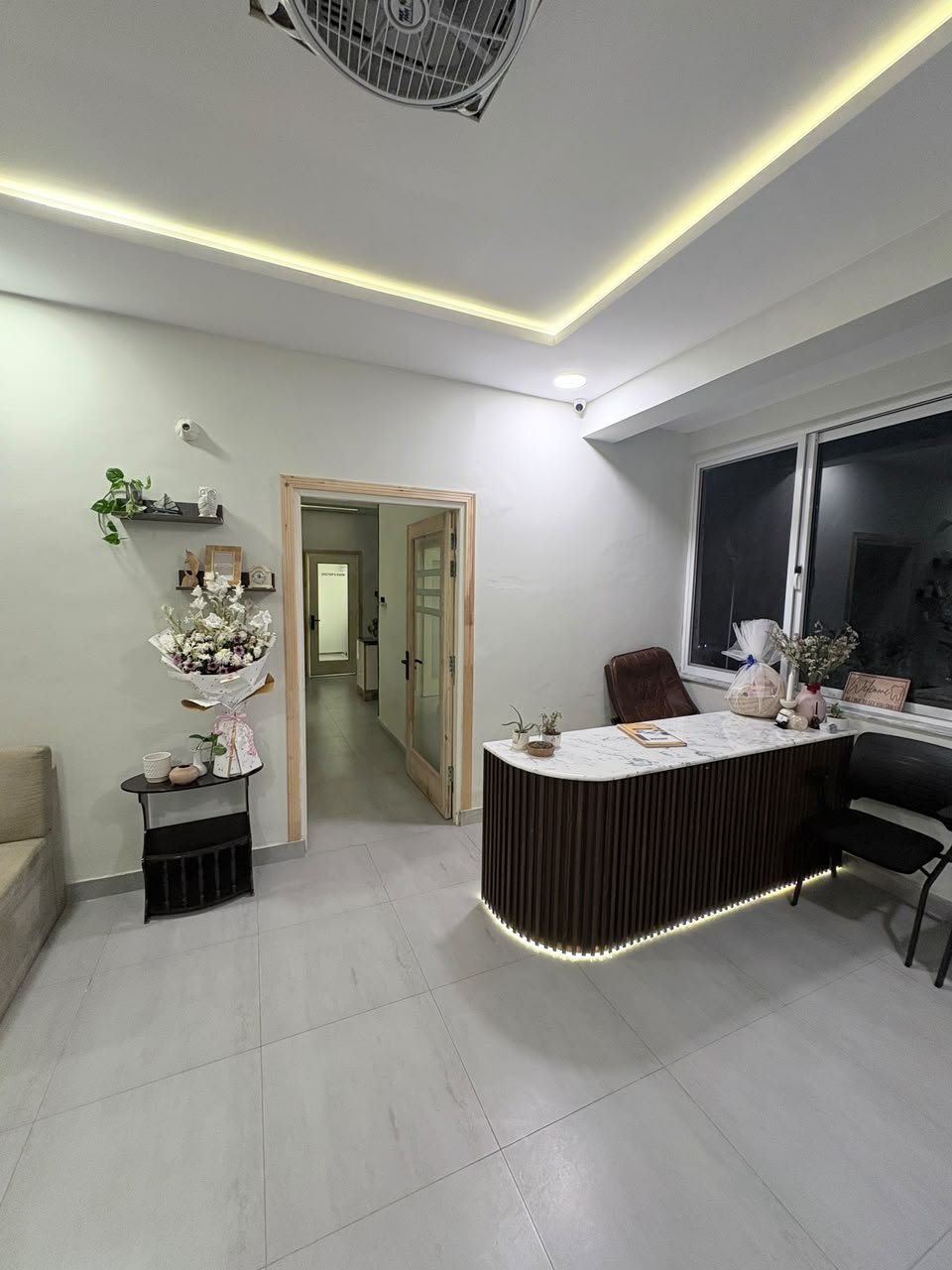
By Dr. Haider Rizwan, BDS (University of Health Sciences, Lahore), dentist at Olympus Dental & Aesthetics, G-8 Markaz, Islamabad.
If the thought of a dental appointment makes your heart race, you are not alone. Dental anxiety is one of the most common fears, among teenagers and adults alike. Many people put off visits for years, until a toothache forces them to go, which often means more treatment and more of the very thing they were afraid of.
Fear of the dentist is real, and it is not something to be embarrassed about. It is also very treatable. Here is how to take the first step.
Where dental fear comes from
- A painful or frightening experience in the past, often in childhood.
- Feeling out of control while lying back in the chair.
- Fear of needles, the sound of the drill, or gagging.
- Embarrassment about the state of your teeth after a long gap.
- Worry about being judged or lectured.
Understanding what triggers your fear helps you and your dentist plan around it.
Small steps that make a big difference
- Tell the clinic when you book. Saying “I’m nervous about the dentist” lets the team plan more time and a calmer visit.
- Start with a consultation only. Meet the dentist, talk, and leave without any treatment if that is what you need.
- Agree a stop signal. Raising your hand means the dentist stops immediately. Knowing you are in control lowers anxiety.
- Ask for explanations before each step, or ask the dentist not to describe things if that makes you more anxious.
- Choose a good time. An early appointment means less time to worry during the day.
- Bring headphones and listen to music or a podcast during treatment.
- Practise slow breathing: breathe in for four counts, out for six, and repeat.
- Bring someone you trust to the appointment.
What a gentle dentist will do differently
- Listen to your worries without judgement, whatever the condition of your teeth.
- Explain your options and costs clearly, then let you decide.
- Use a numbing gel before an injection, and give the injection slowly.
- Take regular breaks, and check how you are feeling.
- Start with the simplest, most comfortable treatment to build your confidence.
Options for severe dental anxiety
For some people, even with all of these steps, treatment in the chair feels impossible. In that case, ask your dentist about sedation. Depending on your health and the treatment needed, sedation can help you stay relaxed or asleep while the dental work is done, with a trained professional monitoring you throughout.
Sedation is not right for everyone, and it always needs a health assessment first. But for people with severe fear, it can make the difference between getting treatment and avoiding it for years.
Helping an anxious teenager
- Let them speak to the dentist directly, so they feel respected and in control.
- Avoid sharing your own bad dental experiences in front of them.
- Focus on what they gain, such as a pain-free mouth and a confident smile, rather than what might go wrong.
- Praise them for going, even if the visit is just a check-up.
Why it is worth taking the first step
Small dental problems are usually quick and simple to fix. Left alone, they can turn into toothache, infection and much bigger treatment. A single calm visit, with a dentist who understands anxiety, is often enough to break the cycle of fear and avoidance.
Gentle care for anxious patients with Dr. Haider
Dr. Haider Rizwan cares for anxious teenagers and adults at Olympus Dental & Aesthetics in G-8 Markaz, Islamabad. He never rushes nervous patients, and he explains every option before treatment begins. Read more about gentle dentistry for anxious patients, or meet Dr. Haider.
Frequently asked questions
Is it normal to be scared of the dentist?
Yes. Dental anxiety is very common in teenagers and adults, and dentists are used to helping nervous patients feel more comfortable.
Can I just have a consultation without treatment?
Yes. Many anxious patients start with a talk and an examination only, and plan treatment once they feel ready.
Can I be sedated for dental treatment if I am very anxious?
Sedation may be an option for severe dental anxiety, depending on your health and the treatment needed. It always needs a health assessment first, so ask your dentist.
What should I say when I book?
Simply tell the clinic you are nervous. That lets the team give you more time and plan a calmer visit.
Medical disclaimer: This article is for general information only and is not a substitute for a professional dental examination. Please consult a qualified dentist about your own situation or your child’s.
Leave a Reply