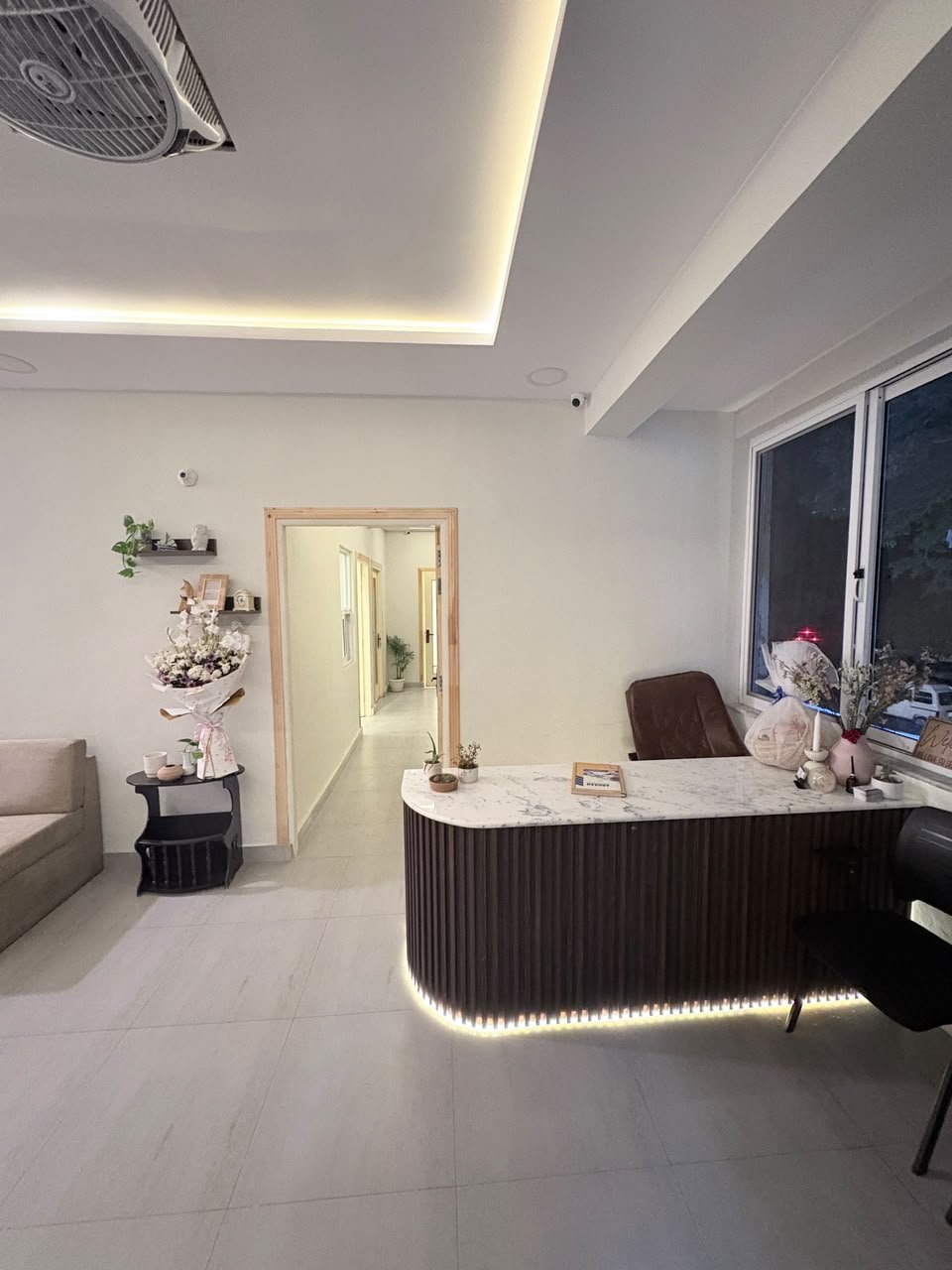
By Dr. Haider Rizwan, BDS (University of Health Sciences, Lahore), dentist at Olympus Dental & Aesthetics, G-8 Markaz, Islamabad.
For many families of children with autism, ADHD, Down syndrome, cerebral palsy or other special healthcare needs, the dentist can feel like one of the hardest appointments of all. Bright lights, strange sounds, being touched in the mouth and lying back in a chair can all be overwhelming.
The good news is that with the right preparation and a dentist who adapts to your child, dental care can become much easier. Here are practical tips for home and for the clinic.
Why dental care matters even more
- Some children find brushing very difficult, so plaque builds up more easily.
- Some medicines contain sugar or cause a dry mouth, which increases the risk of decay.
- Some children have restricted diets, prefer soft or sweet foods, or hold food in their mouth.
- Children who cannot easily tell you they are in pain may show it through changes in behaviour, sleep or eating instead.
Regular check-ups catch problems while they are small, which often means simpler treatment.
Making brushing easier at home
- Keep the same routine: same time, same place, same order of steps every day.
- Use a visual schedule with pictures for each step: toothpaste, brush top teeth, brush bottom teeth, spit.
- Try different toothbrushes. Some children prefer a very soft brush, a brush with a chunky handle, or an electric brush once they are used to the vibration.
- Choose a mild-flavoured or unflavoured toothpaste if strong mint is a problem, but keep it a fluoride toothpaste.
- Find a comfortable position. Sitting behind your child, or with their head resting on your lap, can help you see and keep them steady.
- Count or sing so your child knows when brushing will end.
- Praise every small step, even if you only managed a few teeth today.
Preparing for a dental visit
- Tell the clinic about your child when you book: their diagnosis, how they communicate, what helps them, and what upsets them.
- Ask for the first appointment of the day or a quiet time, so there is less waiting.
- Use a social story with photos or simple drawings of the clinic, the chair and the dentist.
- Practise at home: lie back on a sofa, open wide, and count teeth with a toothbrush or a spoon.
- Bring comfort items: headphones, sunglasses for bright lights, a weighted blanket, or a favourite toy.
- Plan a reward your child looks forward to after the visit.
What a good special needs dentist will do
- Listen to you first. You know your child best.
- Take things step by step, and stop before your child becomes distressed.
- Use short, simple words or pictures, and explain what will happen before doing it.
- Reduce noise, light and waiting where possible.
- Offer several short “getting to know you” visits if your child needs them.
- Discuss sedation if treatment is needed and cannot be done safely while your child is awake.
When sedation is the kinder option
Some children cannot manage treatment in the chair however gently it is done. Holding a frightened child down is not a good answer. For these children, treatment under sedation with a specialist anesthetist can allow all the necessary dental work to be done safely in one visit, without distress. Read our parent’s guide to dental treatment under sedation.
Signs your child may have a dental problem
- Refusing food they normally like, or chewing on one side only.
- Hitting or rubbing the face or jaw, or putting hands in the mouth more than usual.
- New problems with sleep or more irritability than usual.
- Bad breath, bleeding gums, swelling, or dark spots on the teeth.
If you notice any of these, book a check-up. Pain from teeth is common and very treatable.
Special needs dentistry with Dr. Haider
Dr. Haider Rizwan cares for children with special healthcare needs at Olympus Dental & Aesthetics in G-8 Markaz, Islamabad. Visits are adapted to each child, and clinic-based deep sedation with a specialist anesthetist is available when needed. Learn more about special needs dentistry at our clinic.
Frequently asked questions
How can I make brushing easier for my autistic child?
Keep the same routine every day, use a picture schedule, try different brushes and mild-flavoured fluoride toothpaste, and count or sing so your child knows when it will end.
How do I prepare my child with special needs for the dentist?
Tell the clinic about your child when booking, choose a quiet appointment time, use a social story, practise opening wide at home, and bring comfort items such as headphones.
Will my child need sedation for dental treatment?
Not always. Many children manage check-ups and simple treatment with an adapted approach. Sedation is considered when treatment cannot be done safely and kindly while the child is awake.
Medical disclaimer: This article is for general information only and is not a substitute for a professional dental examination. Please consult a qualified dentist about your own situation or your child’s.
Leave a Reply